Growing Ají Amarillo in Oregon
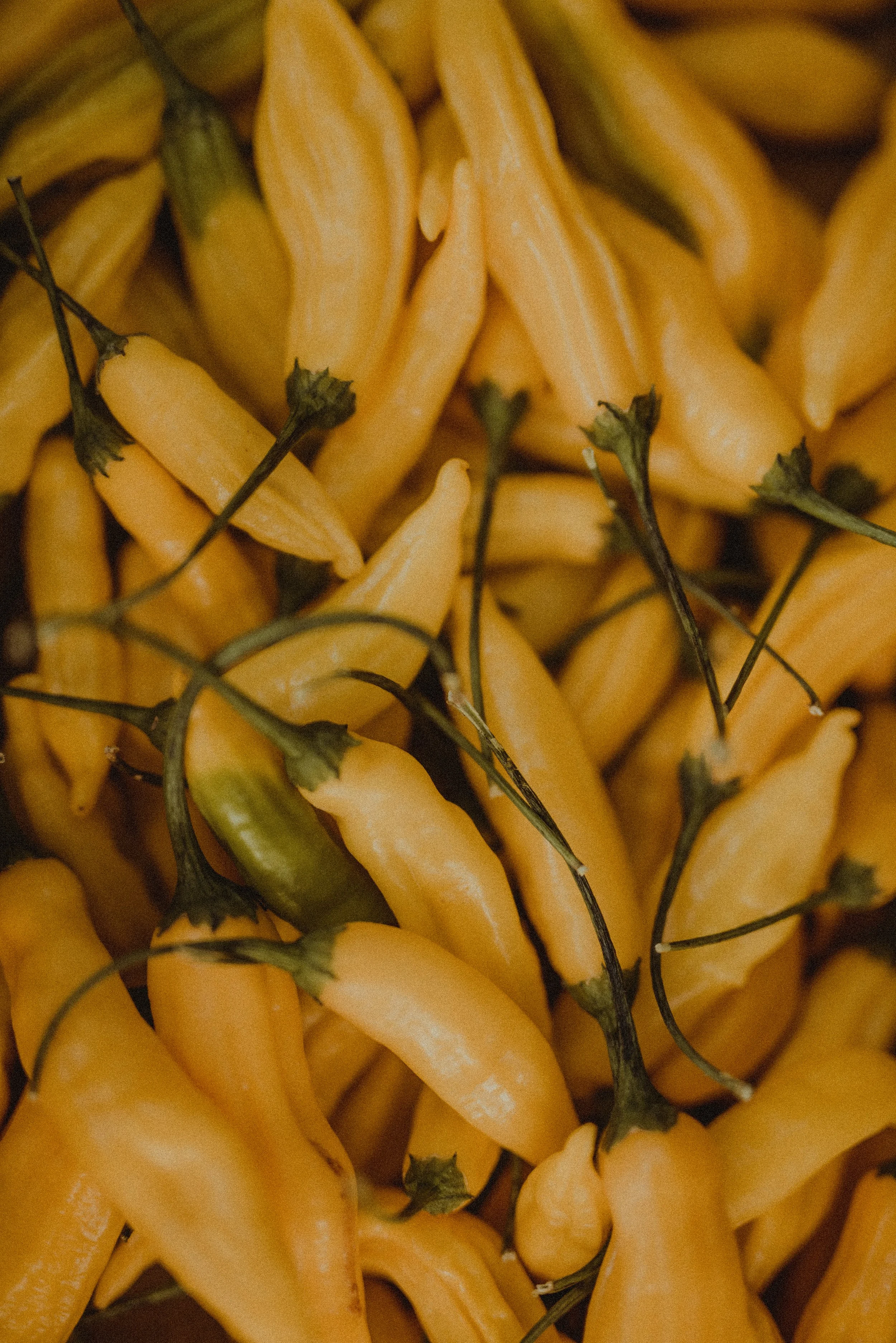
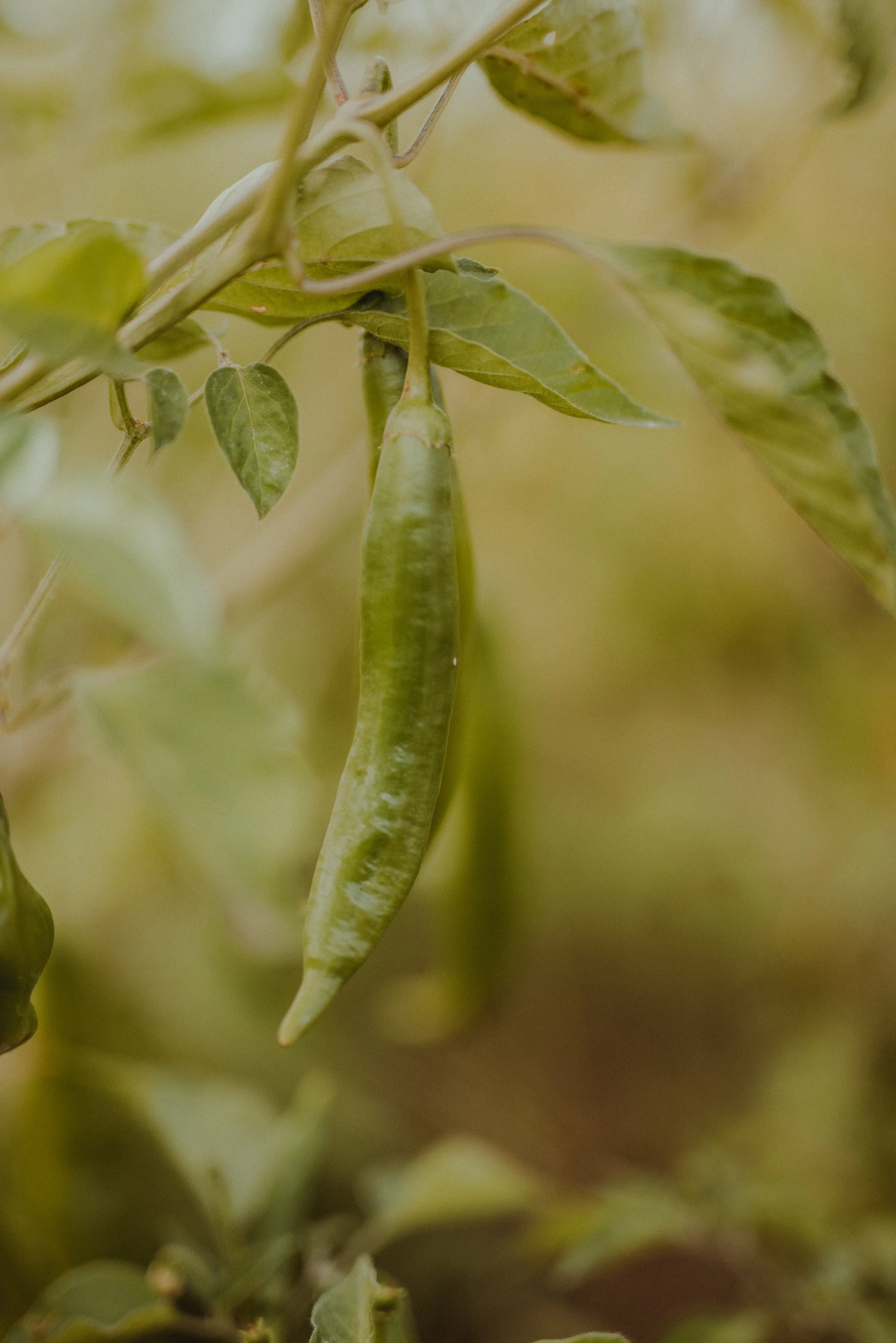
Ají amarillo is one of the foundational ingredients of Peruvian cuisine—fragrant, fruity, and essential to many of the dishes and sauces that define the Peruvian table.
Traditionally, fresh ají amarillo is difficult to access in the United States. Peppers coming from Peru generally need to be processed for export rather than arriving in the kitchen as fresh fruit.
We wanted another possibility.
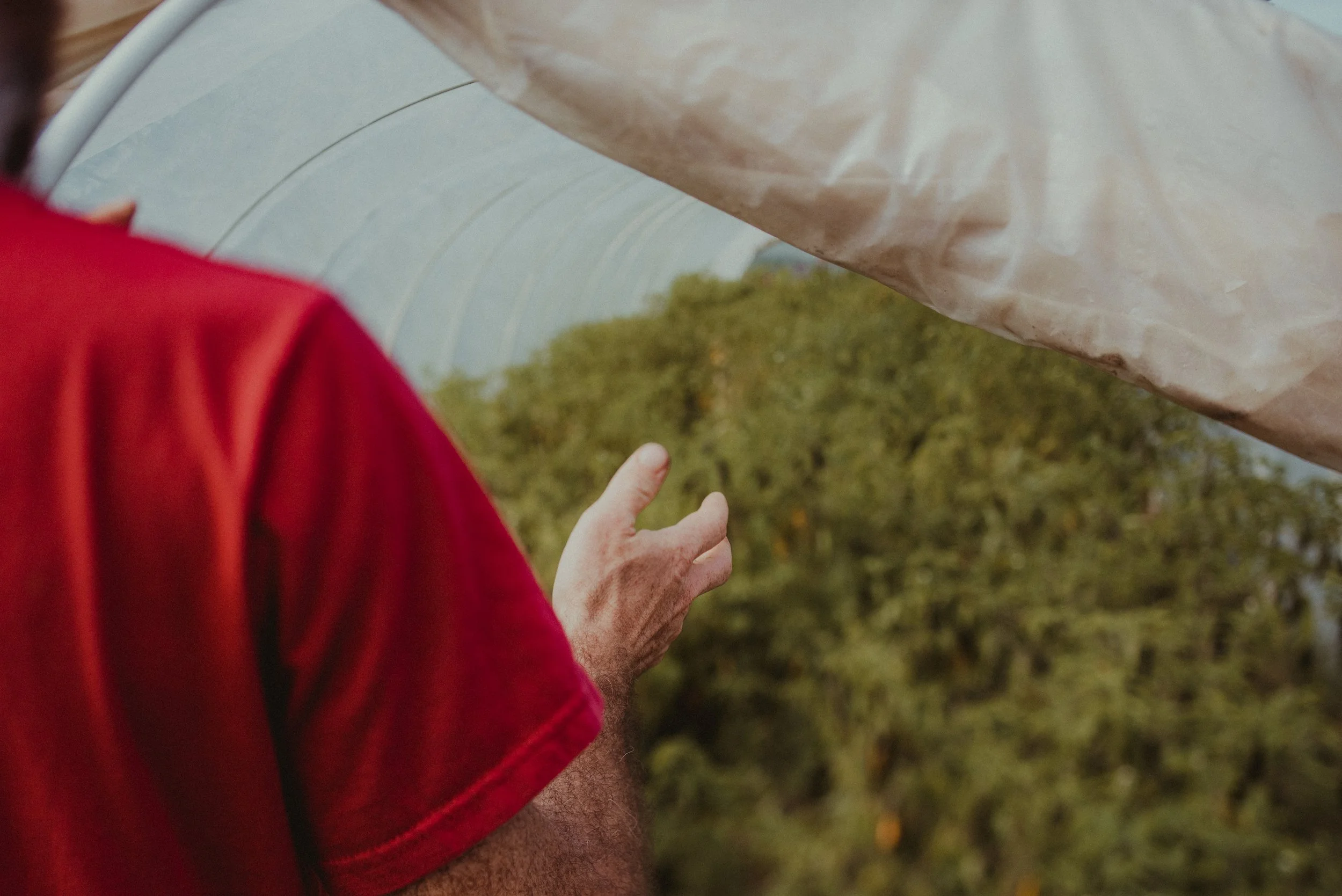
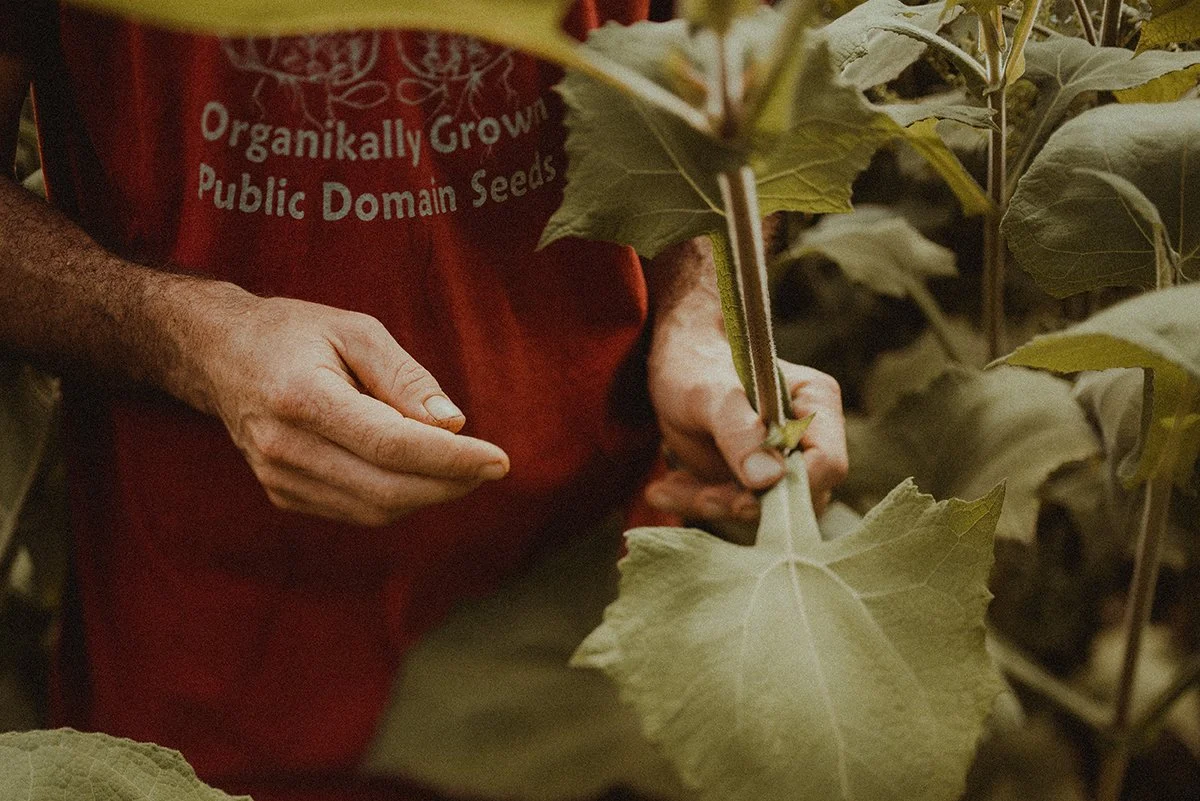
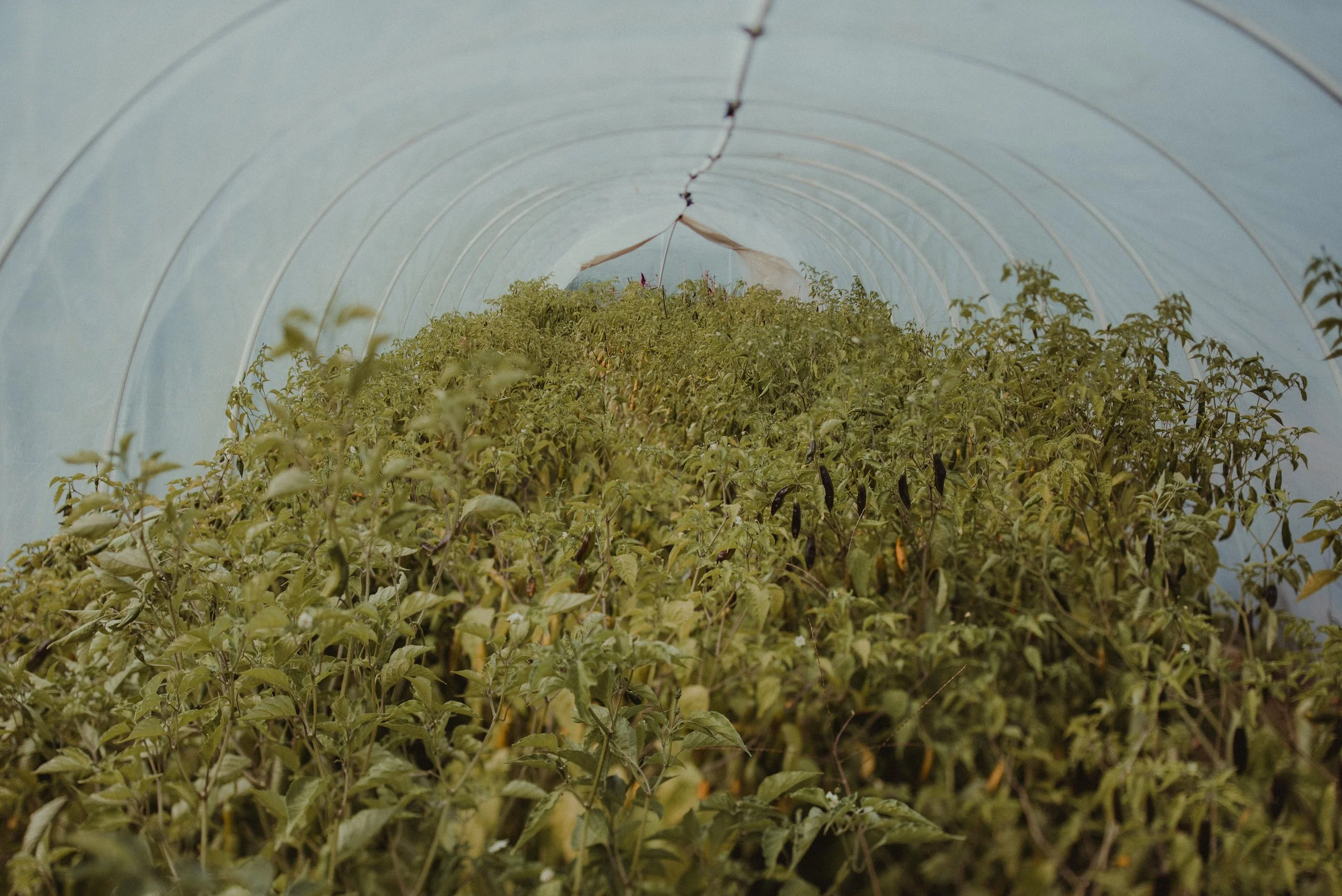
For seven years, Andina collaborated with Peace Seedlings, a second-generation seed farm and plant breeder in Corvallis, Oregon, to develop an ají that could thrive in the Pacific Northwest climate.
Today, those plants produce fresh Oregon-grown ají for Andina’s kitchen—allowing our chefs to work with this essential Peruvian ingredient closer to the way it is experienced in Peru.
In 2026, our Oregon-grown ají harvest reached five tons.
What began as an effort to source one important ingredient differently has grown into something much larger: an exploration of how Peruvian crops can take root in the Pacific Northwest.
From Peru to the Pacific Northwest
Our approach extends beyond ají.
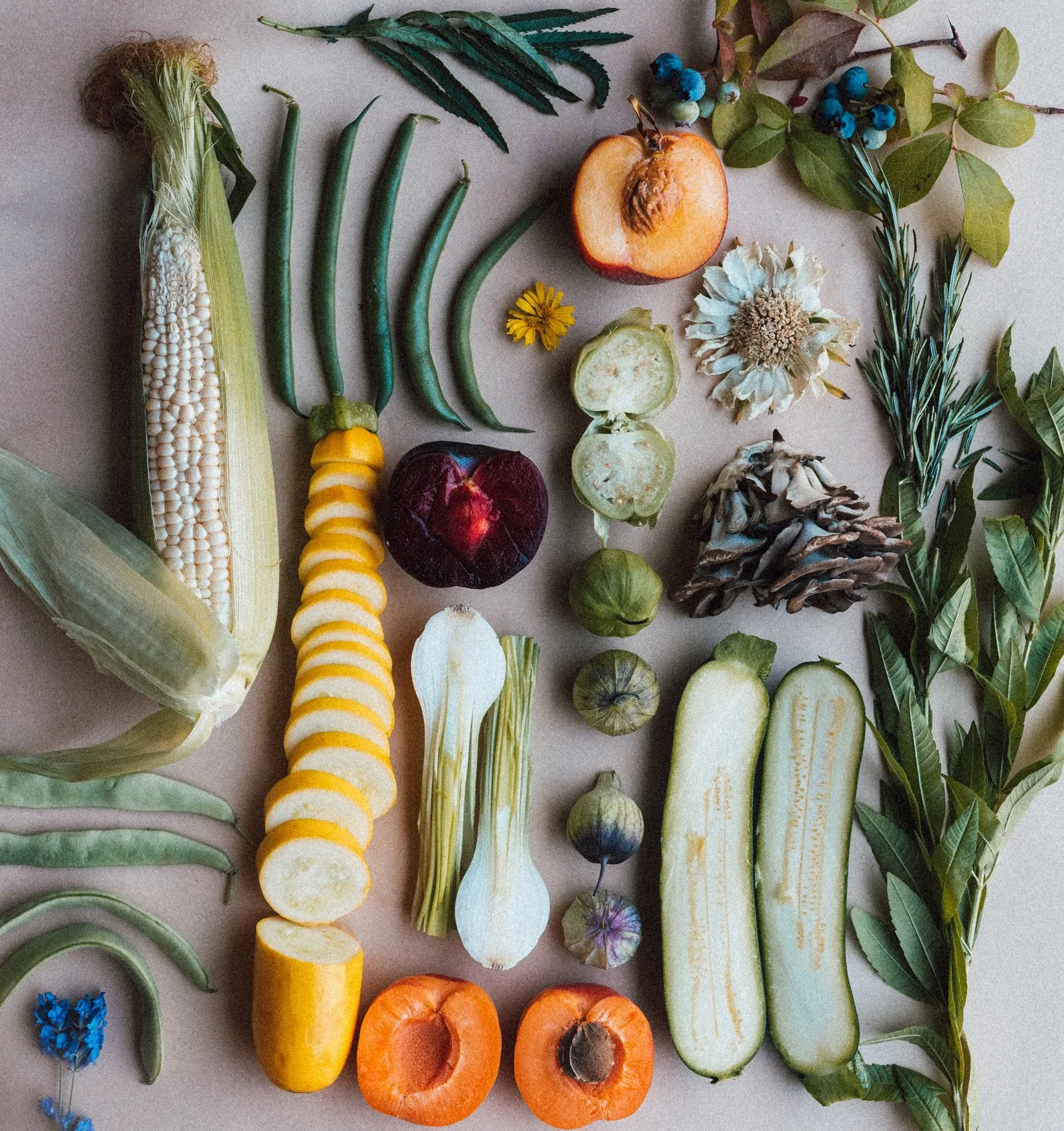
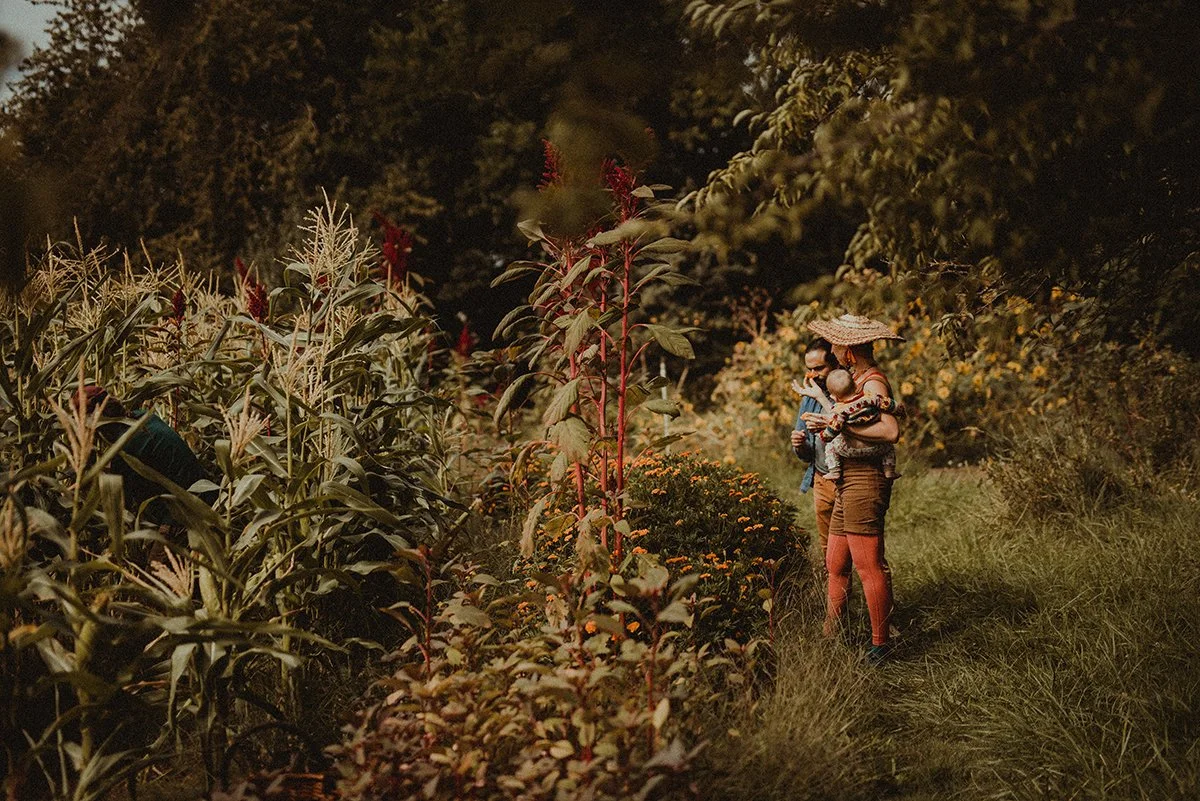
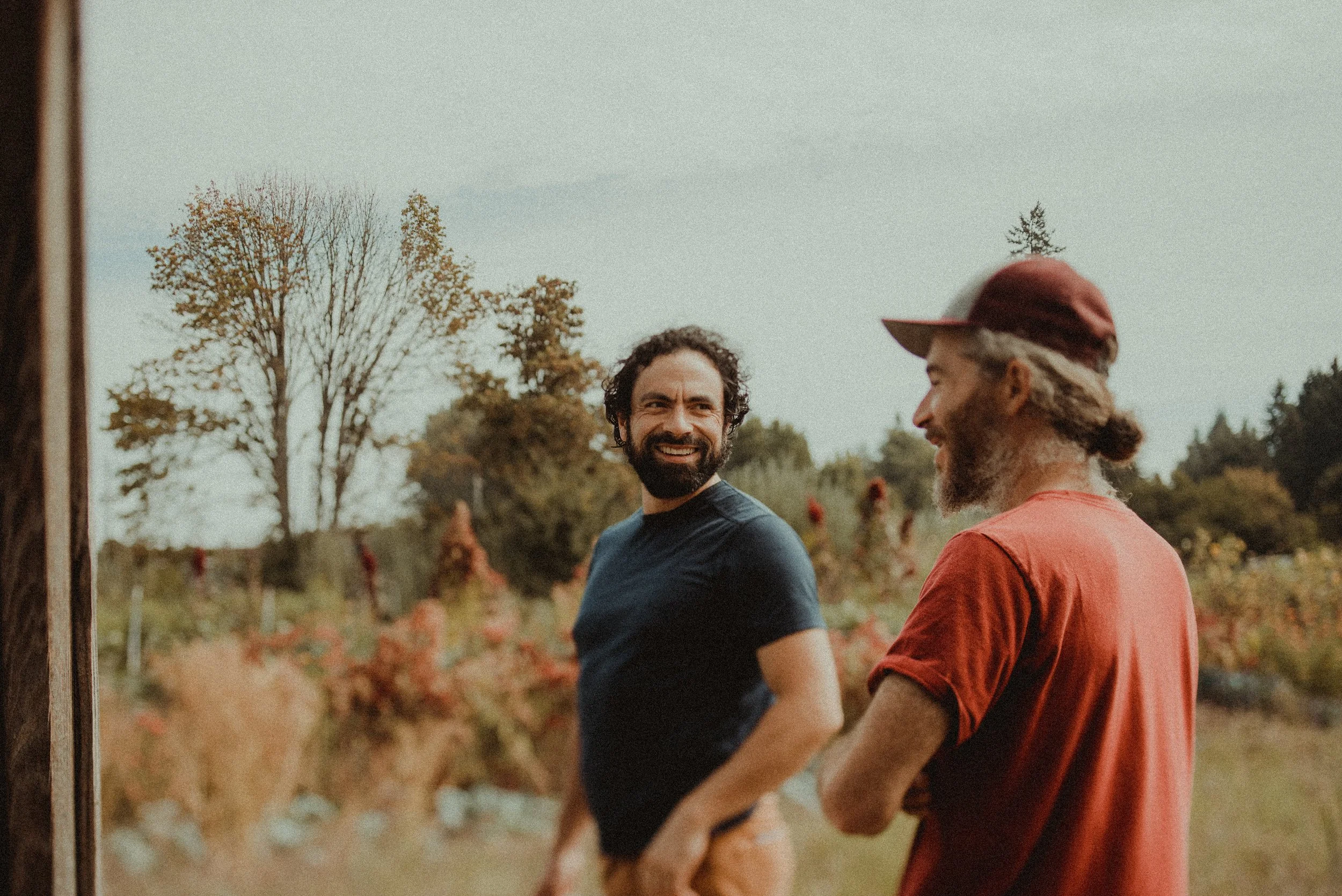
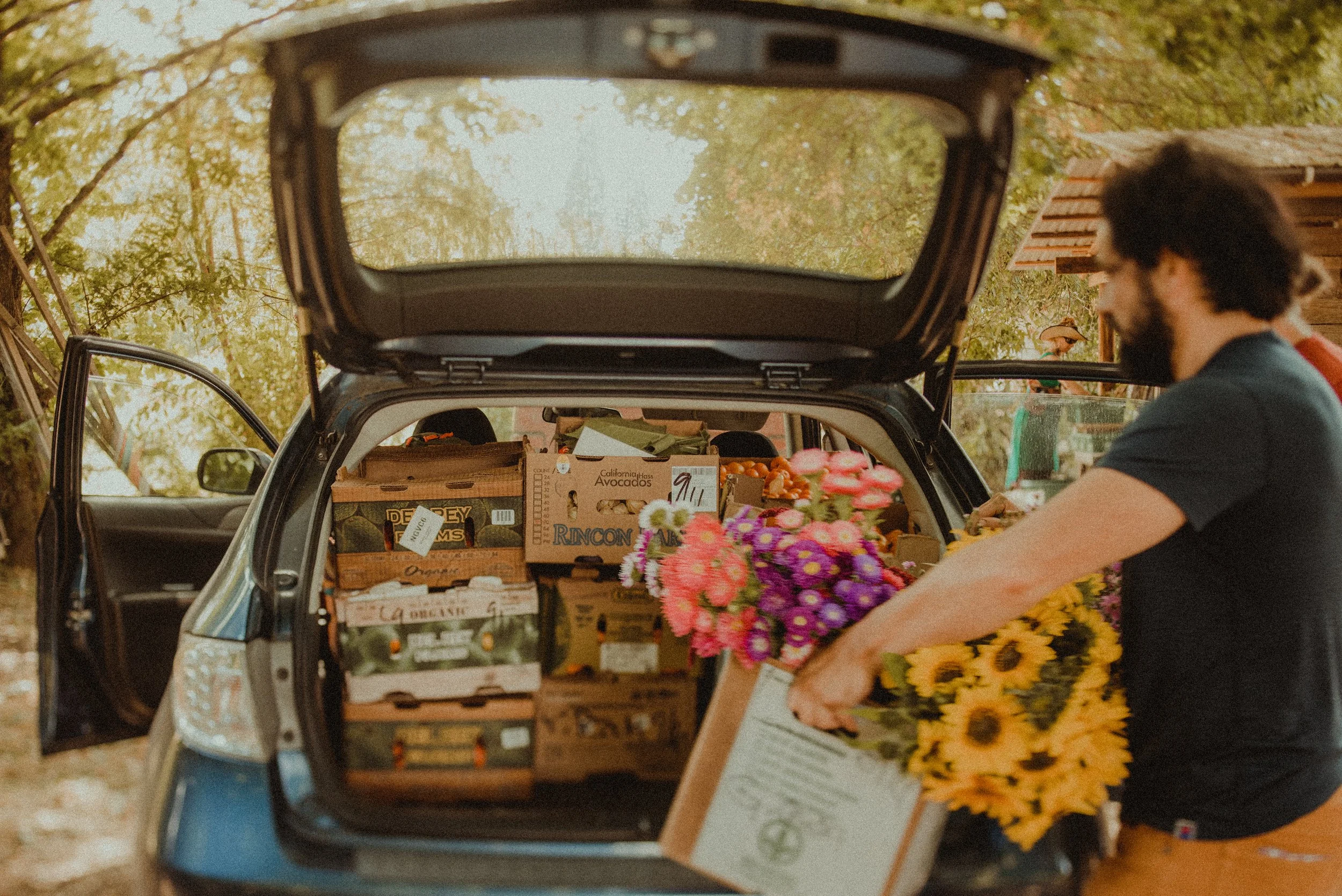
In Oregon, we work with growers, fishermen, and producers who share our interest in resilient agriculture, thoughtful stewardship, and exceptional ingredients. Our relationship with Peace Seedlings has also opened possibilities for growing other crops with roots in the Andes here in the Pacific Northwest.
In Peru, we maintain direct-trade relationships with organic farming communities in Chincha, sourcing ingredients while building relationships that bring us closer to the people and places behind our food.
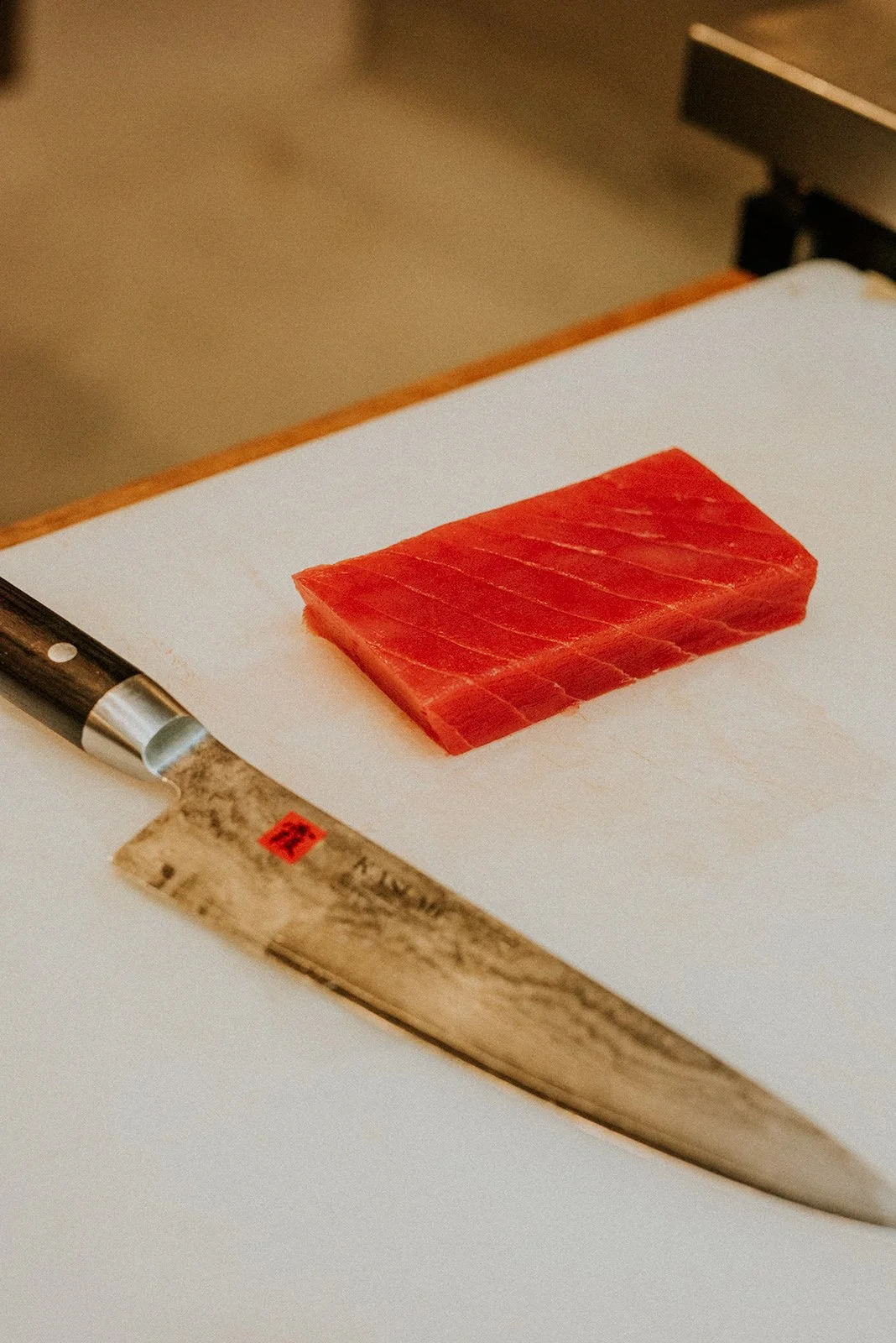
Along the Oregon coast, our seafood sourcing connects our kitchen to the Pacific and the fishermen who work its waters.
Looking Upstream
After more than two decades of cooking in Portland, we have come to think of a restaurant as part of a much larger ecosystem.
The choices made long before an ingredient reaches our kitchen—what seed is planted, where it is grown, how it is harvested, who grows it, and how far it travels—shape what ultimately arrives on the plate.
For us, looking upstream means asking those questions and investing in relationships that can make the answers better.
It is ongoing work, rooted in curiosity, responsibility, and the belief that Peruvian cuisine can continue to evolve while remaining deeply connected to the places and people that give it life.